
Instagram offers multiple ways to turn your content creation into a revenue stream, whether you’re just starting out or already have an established presence. You can monetize Instagram through brand partnerships, native platform features like Subscriptions and Gifts, affiliate marketing, selling digital products, and Instagram’s bonus programs for Reels and posts. The key is understanding which methods align with your audience and content style.
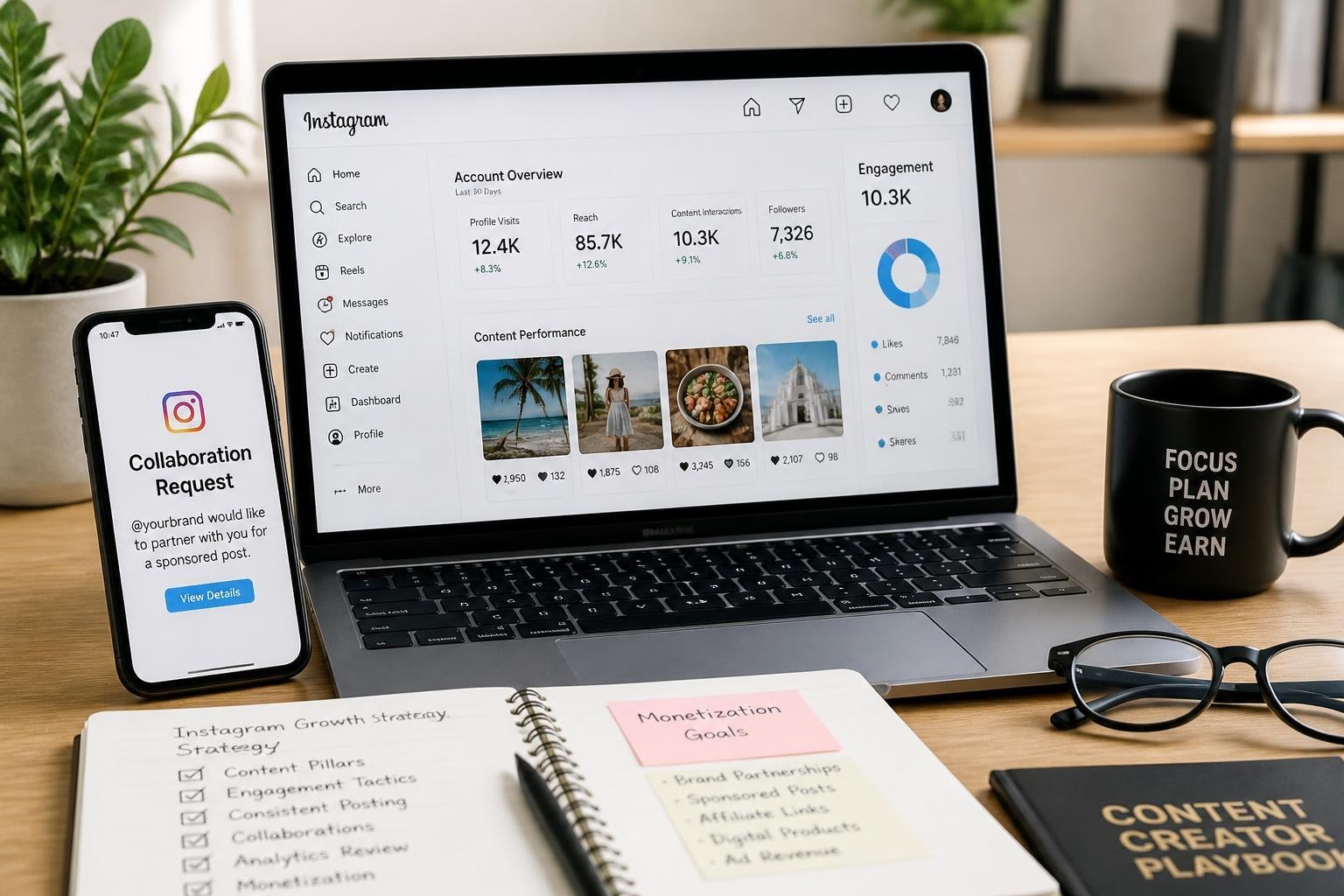
Making money on Instagram doesn’t require millions of followers. You need to meet basic eligibility requirements, build an engaged audience, and choose monetization strategies that fit your niche. Some creators earn through direct audience support, while others partner with brands or sell products through Instagram Shopping.
Success with Instagram monetization comes from experimenting with different approaches and tracking what works for your specific audience. You can combine multiple revenue streams simultaneously, such as offering exclusive content to subscribers while also promoting affiliate products and collaborating with brands.
Key Takeaways
- Instagram monetization includes brand deals, platform features, affiliate marketing, and product sales
- You don’t need a massive following to start earning if you have strong engagement with your audience
- Testing multiple monetization methods and analyzing results helps you maximize revenue over time
Understanding Instagram Monetization Requirements
Instagram’s monetization program requires specific account types and adherence to platform policies before you can access earning features. Meeting these baseline requirements determines whether you qualify for native monetization tools like Badges, Subscriptions, and Branded Content partnerships.
Professional and Business Accounts
You must convert your personal Instagram account to either a Professional or Business account to access monetization features. Both account types unlock Instagram’s native monetization tools and provide access to analytics and promotional features that personal accounts don’t offer.
To switch your account, navigate to Settings, select Account, and choose “Switch to Professional Account.” You’ll then select a category that best describes your content or business. Business accounts connect directly to Meta Commerce Manager, which is essential for managing payments and tracking revenue from multiple monetization streams.
Professional accounts give you flexibility if you’re a creator rather than a traditional business. Both account types are free and reversible, though switching back to a personal account removes access to all monetization tools and analytics dashboards.
Eligibility and Policy Guidelines
Instagram monetization requirements vary by feature, but all tools share common baseline criteria. Your account must comply with Instagram’s Community Guidelines and Partner Monetization Policies without recent violations.
Most monetization features require:
- Minimum follower counts (typically 1,000+ for Subscriptions, 10,000+ for certain features)
- Content published in eligible countries
- Consistent posting history
- Authentic engagement metrics
- No violations of intellectual property rights
Age restrictions apply across all monetization programs—you must be at least 18 years old. Your content must also meet advertiser-friendly standards, meaning it cannot contain excessive profanity, adult content, violence, or promotion of regulated goods.
Compliance With Monetization Standards
Maintaining eligibility requires ongoing compliance with Instagram’s monetization standards. The platform monitors accounts for policy violations, engagement authenticity, and content quality through both automated systems and manual reviews.
You cannot use artificial engagement tactics like purchasing followers, likes, or comments. Instagram’s systems detect these patterns and can suspend your monetization access or permanently remove eligibility. Your content must also remain consistent with the category you selected when establishing your professional Instagram account.
Payment processing happens through Meta’s systems, requiring you to set up a valid payment method in Meta Commerce Manager. You’ll need to provide tax information and verify your identity before receiving payouts. Keep your account information current, as outdated payment details can delay or block your earnings.
Building a Strong Foundation for Earning
Success in monetizing Instagram requires establishing core elements that support revenue generation. Your marketing approach, audience connection, and content focus determine how effectively you can transform followers into income.
Effective Instagram Marketing Strategy
Your instagram marketing strategy forms the blueprint for all monetization efforts. Start by defining specific goals such as reaching 10,000 followers for swipe-up features or achieving a 5% engagement rate to attract brand partnerships.
Create a content calendar that balances promotional posts with value-driven content. Research shows accounts that post 4-7 times weekly maintain better visibility than those posting daily. Use Instagram Insights to track which post formats drive the most saves, shares, and comments.
Implement a link in bio tool like Linktree or Beacons to direct followers to multiple revenue streams simultaneously. This becomes essential when you’re promoting affiliate products, digital downloads, and services from a single link in bio. Track click-through rates to understand which offerings resonate most with your audience.
Optimizing Audience Engagement
High audience engagement directly correlates with earning potential because brands and Instagram’s algorithm prioritize active communities. Focus on response rate first by replying to comments within the first hour of posting, which signals to the algorithm that your content sparks conversation.
Encourage user-generated content through branded hashtags, challenges, or feature opportunities. This creates social proof while providing you with authentic content to reshare. Accounts that regularly feature follower content see 28% higher engagement rates.
Use Instagram Stories‘ interactive features like polls, questions, and quizzes daily. These tools provide valuable data about your audience’s preferences while keeping your profile at the top of their feeds.
Choosing Your Niche and Content Themes
Your niche determines both your audience quality and monetization pathways. Select a focus area where you have genuine expertise and market demand exists. Sustainable fashion, budget travel, or productivity systems work better than overly broad topics like “lifestyle.”
Develop 3-5 core content themes that support your niche. A fitness account might rotate between workout tutorials, nutrition tips, progress tracking, and equipment reviews. This variety maintains interest while establishing you as a comprehensive resource.
Test content themes for 30 days before committing fully. Track which topics generate the highest saves and shares, as these metrics indicate content your audience finds valuable enough to revisit or recommend.
Brand Partnerships and Sponsored Content

Brand partnerships represent the most lucrative monetization method on Instagram in 2026, consistently delivering higher payouts than platform-native features. Successfully partnering with brands requires strategic positioning, proper disclosure practices, and understanding the tools Instagram provides for facilitating these collaborations.
Collaborating With Brands
You can start collaborating with brands regardless of your follower count, as companies increasingly value engagement rates over audience size. A dedicated audience of 1,000 active followers often generates more value than 100,000 passive ones.
When negotiating brand deals, you should provide concrete metrics including follower count, average likes, views, comments, and shares on both organic and previous sponsored content. This data justifies your rates and demonstrates your content’s performance. Each branded content deal operates on different terms, so you negotiate compensation individually with each partner.
Key requirements for brand collaborations:
- Partner only with brands aligned to your authentic style and interests
- Feature sponsored products prominently in your content
- Create mobile-optimized vertical video content
- Add copy or subtitles since most users watch without sound
- Avoid promoting prohibited categories like drugs and weapons
- Respect restricted categories requiring special compliance (alcohol, financial services)
Using the Creator Marketplace
Instagram’s Creator Marketplace connects you directly with brands seeking partnership opportunities for branded content and partnership ads. You can indicate your interests and specialties in the marketplace to receive relevant project opportunities from companies.
The platform helps brands discover creators who match their campaign needs. You appear more discoverable when your profile clearly reflects your content niche and engagement metrics. Partnership ads differ from organic branded content because brands pay to amplify your collaborative posts beyond both of your existing follower bases, displaying both handles together with a “Sponsored” label.
This feature streamlines the discovery process, eliminating much of the outreach work traditionally required in influencer marketing. Your Creator Marketplace profile becomes your portfolio for attracting consistent brand partnership opportunities.
Leveraging the Paid Partnership Label
You must add the Paid Partnership label to any content where you receive compensation in any form, including money, free products, gifted trips, or other benefits from business partners. This requirement applies across all content formats: Feed posts, Stories, Live broadcasts, Reels, and Instagram videos.
The label maintains transparency with your audience and ensures compliance with Instagram’s policies. Before brands can promote your branded content posts as partnership ads, you need to grant them permission through your account settings.
Format restrictions when using the label:
- No pre-roll, mid-roll, or post-roll ads in video or audio content
- No banner ads in videos or images
- Must clearly disclose the commercial nature of the partnership
Failing to use the Paid Partnership label when required violates platform guidelines and damages trust with your followers, who can immediately recognize undisclosed sponsorships.
Monetizing Through Instagram Features
Instagram offers built-in monetization tools that let you earn directly from the platform without relying solely on brand partnerships or external sales. These features reward engagement and let followers support your work through subscriptions, gifts, and performance bonuses.
Subscriptions and Exclusive Content
Instagram Subscriptions allow you to create recurring revenue by offering exclusive content to paying subscribers. You set a monthly price, and subscribers gain access to special posts, stories, reels, and broadcasts that non-subscribers cannot see.
Subscribers also receive a purple badge next to their name, making them visible in your comments and DMs. This feature works well if you have an engaged audience willing to pay for behind-the-scenes content, tutorials, early access, or community interaction.
You need a Professional Account (Creator or Business) to access Subscriptions. The platform takes a percentage of your subscription revenue, so factor this into your pricing strategy when determining your monthly rate.
Reels Bonus Program and Instagram Gifts
The Reels Bonus Program pays creators based on the performance of their Instagram Reels. Instagram invites eligible creators to participate, and you earn money when your reels reach specific view count milestones. These bonuses are not available to everyone and depend on Instagram’s invitation criteria.
Instagram Gifts let viewers send you virtual gifts during your reels, which you can convert to cash. Viewers purchase Stars (Instagram’s virtual currency) and send them to creators whose content they appreciate. This creates a direct revenue stream from your most engaged followers.
Both features reward consistent content creation. The Reels Bonus Program typically operates in limited markets and requires you to meet specific eligibility requirements set by Instagram.
Live Badges and Monetization on Instagram Live
Live Badges enable your viewers to purchase badges during Instagram Live broadcasts to support your work. Badges appear as hearts next to the purchaser’s name in comments and unlock special recognition throughout your live session.
You receive a portion of the badge purchase price, creating immediate monetization during live streams. Viewers can buy badges at different price tiers, and those who purchase them often receive priority placement in your comments.
To use Live Badges, you must have a Professional Account and meet Instagram’s monetization eligibility requirements. This feature works particularly well for Q&A sessions, workshops, performances, or any live content where real-time interaction drives value for your audience.
Driving Revenue With Affiliate and Influencer Marketing
Affiliate marketing transforms your Instagram presence into a revenue channel by letting you earn commissions on products you promote. This approach requires strategic platform selection, proper link integration, and consistent content that aligns with your audience’s interests.
Affiliate Marketing on Instagram
Affiliate marketing on Instagram operates on a performance-based model where you earn a commission each time someone purchases through your unique link or code. You promote products within your content—through feed posts, Stories, Reels, or Lives—and get paid when followers convert.
The platform now offers built-in shopping features that let users purchase without leaving the app. You can tag products directly in your posts, add shopping stickers to Stories, or create a dedicated shop on your profile. This native functionality removes friction from the buying process and increases conversion rates.
Success in affiliate marketing requires audience alignment. Choose products that match your niche and genuinely serve your followers’ needs. Data shows 86% of consumers made an influencer-inspired purchase in the past year, but this only works when recommendations feel authentic rather than forced.
Working With Networks and Platforms
Affiliate networks connect you with brands and manage tracking, payments, and reporting. Amazon Associates remains one of the most accessible programs, offering millions of products with commission rates between 1-10% depending on category. ShareASale provides access to thousands of merchants across diverse industries, from fashion to software.
Many networks offer dashboard analytics that show clicks, conversions, and earnings per post. These metrics help you identify which products resonate with your audience and which content formats drive sales.
Brand-direct partnerships often pay higher commissions than network programs. Once you establish credibility in your niche, reach out to companies whose products you already use. Many brands run their own affiliate programs with better rates and exclusive perks for proven creators.
Integrating Affiliate Links and Tools
Instagram’s native product tagging works through partnerships with supported platforms like Shopify and BigCommerce. You’ll need approval from both Instagram and the merchant to access these features. Once approved, you can tag up to five products per single-image post or twenty per carousel.
For Stories, use the link sticker to direct followers to affiliate products. Always include clear disclosures like “#ad” or “#affiliate” to comply with FTC requirements and maintain trust with your audience.
Link-in-bio tools like Linktree or Beacons let you showcase multiple affiliate products in one place. Update these regularly based on performance data and seasonal trends. Track your links using UTM parameters to measure which posts and placements generate the most revenue.
Leveraging Instagram Shopping and Digital Products
Instagram Shopping transforms your profile into a revenue-generating storefront while digital products offer scalable income without inventory costs. These two approaches work together to create multiple income streams from your existing audience.
Setting Up an Instagram Shop
You need a business account to access Instagram Shopping features. Convert your personal profile in settings under “Account type and tools” and switch to a professional account. This unlocks product tagging, Instagram ads, and analytics tools.
Connect your product catalog through Meta Commerce Manager or sync directly from Shopify. The Shopify integration automatically updates your inventory across platforms. Each product requires a 500 by 500 pixel image, description, price, and checkout URL.
Product tagging lets you tag up to 20 items per post in your feed, Reels, and Instagram Stories. Place tags directly over products in images so viewers can tap through to purchase details. Your tagged products also appear in Explore feeds, extending reach beyond your followers.
Enable Shopping in your profile settings by connecting your catalog. Instagram may review your account to verify compliance with commerce policies before approving your shop. This process typically takes a few days.
Promoting Digital Products and Services
Digital products like courses, templates, and ebooks deliver high profit margins since you create them once and sell repeatedly. List these offerings in your Instagram Shop alongside physical inventory or promote them through direct links in your bio.
Use Instagram Stories to demonstrate product value through tutorials, testimonials, and behind-the-scenes content. Add product stickers to Stories for direct purchasing without leaving the app. Pin your best-performing Stories as highlights below your bio for new visitors.
Instagram ads through Meta Ads Manager amplify your reach to targeted audiences. Create campaigns that showcase digital product benefits using carousel formats or video demonstrations. Turn successful organic posts into ads to test what resonates with cold audiences.
Reels generate 36% more reach than other content types, making them ideal for product discovery. Tag your digital products when they appear naturally in educational or entertaining content rather than overwhelming viewers from the start.
Frequently Asked Questions
Instagram’s monetization system has specific requirements and processes that vary by feature and location. Understanding these details helps you plan your path to earning income on the platform.
What are the eligibility requirements to earn money through Instagram features?
You need to follow Instagram’s Community Guidelines and Partner Monetization Policies as baseline requirements. Your account must be in good standing without recent violations or strikes.
Most monetization features require you to have a professional account, either as a Creator or Business. You need to live in a supported country where the specific monetization tool is available.
Additional requirements include being at least 18 years old and having a minimum number of followers for certain features. Your content must meet Instagram’s standards for advertiser-friendly material.
How many followers do you need before Instagram monetization options become available?
Different monetization features have different follower thresholds. Some features like brand partnerships and affiliate marketing can work with as few as 1,000 engaged followers.
Instagram’s native monetization tools typically require higher counts. In-stream ads and performance bonuses often need at least 10,000 followers to qualify.
Badges during live videos generally require 10,000 followers as well. Subscriptions may have lower thresholds in some regions, sometimes starting around 10,000 followers.
Quality of engagement matters more than raw follower count for brand deals. Creators with smaller but highly engaged audiences can earn through sponsored content and affiliate programs.
How do you enable monetization features in Instagram settings?
Navigate to your Professional Dashboard by tapping the menu icon in your profile. Look for the monetization tools section which shows available features.
You’ll see which tools you’re eligible for and which ones require you to meet additional criteria. Tap on individual features to review requirements and submit applications.
For subscriptions, you can set your pricing and exclusive content offerings. Live badges and other features activate through similar application processes within the Professional Dashboard.
Some features require you to connect a payment account before activation. You’ll need to provide tax information and banking details to receive payments.
What should you do after Instagram shows that your account is eligible for monetization?
Set up your payment information immediately to avoid delays when you start earning. Complete all tax forms and banking verification steps Instagram requires.
Review the content policies for your specific monetization features. Each tool has guidelines about what types of content qualify for monetization.
Create a content strategy that aligns with the monetization features you’ve activated. If you’re using subscriptions, plan exclusive content your subscribers will value.
Monitor your Professional Dashboard regularly for performance metrics and payment status. Track which content performs best to refine your approach.
Does Instagram pay based on views, and how is earnings per 1,000 views calculated?
Instagram’s payment structure varies significantly by monetization method. In-stream ads and Reels bonuses may pay based on views, but rates fluctuate.
View-based payments depend on factors including audience location, advertiser demand, and content type. You might earn anywhere from $0.01 to $0.05 per 1,000 views for Reels Play bonuses when available.
Instagram doesn’t publicly disclose fixed CPM (cost per thousand views) rates. Your actual earnings depend on engagement quality and how many ads viewers watch completely.
Most creator income comes from brand partnerships and sponsored content rather than view-based payments. These deals are negotiated directly and don’t follow a standard per-view formula.
Which countries have access to Instagram’s monetization programs?
The United States has access to the widest range of Instagram monetization features. Most native tools launched in the US before expanding to other regions.
Other supported countries include the United Kingdom, Canada, Australia, and many European nations. Availability varies by specific feature and changes as Instagram expands programs.
Latin American countries like Brazil and Mexico have access to some features but not all. Asian markets including India, Indonesia, and Japan have partial access to monetization tools.
You can check your eligibility in the Professional Dashboard regardless of location. Instagram updates supported countries periodically, so features may become available in your region over time.